ServicesNew Construction Plumbing
New Construction Plumbing in Hermitage, TN
We plumb new homes and room additions in stages, starting with drain lines below the floor and finishing with fixtures set and tested. Before any pipe is installed, we walk you or your builder through the options, so the system inside your walls is one you chose on purpose.
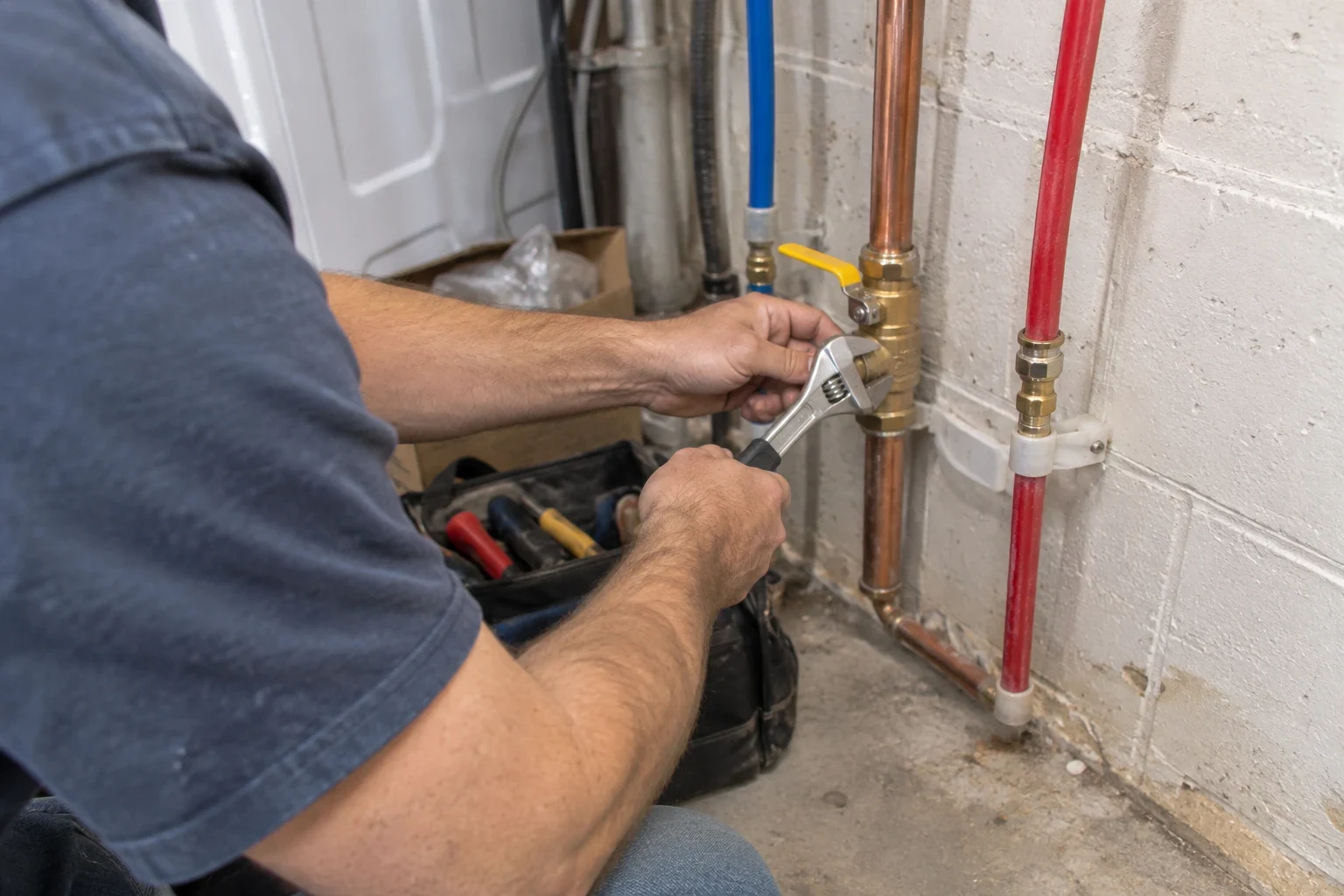
Plumbing that is planned before it is built
A new house gives you one clean chance to get the plumbing right. Once drywall goes up, changing a pipe route or a fixture location costs far more than drawing it differently on paper. So we start with the plans, the fixture list and a conversation about materials.
Most of that conversation is about trade-offs. PEX supply lines flex, resist freeze splitting better than rigid pipe and run with fewer fittings. Copper costs more but holds up well to heat and looks finished where it stays exposed. For drains, PVC is standard and affordable, while cast iron on the main stack is heavier and much quieter when someone upstairs flushes. We explain where each one earns its cost in your home and where it does not.
Many Middle Tennessee builds sit on a slab or a crawlspace over clay soil, and that shapes how we bed, sleeve and protect pipe below the floor.
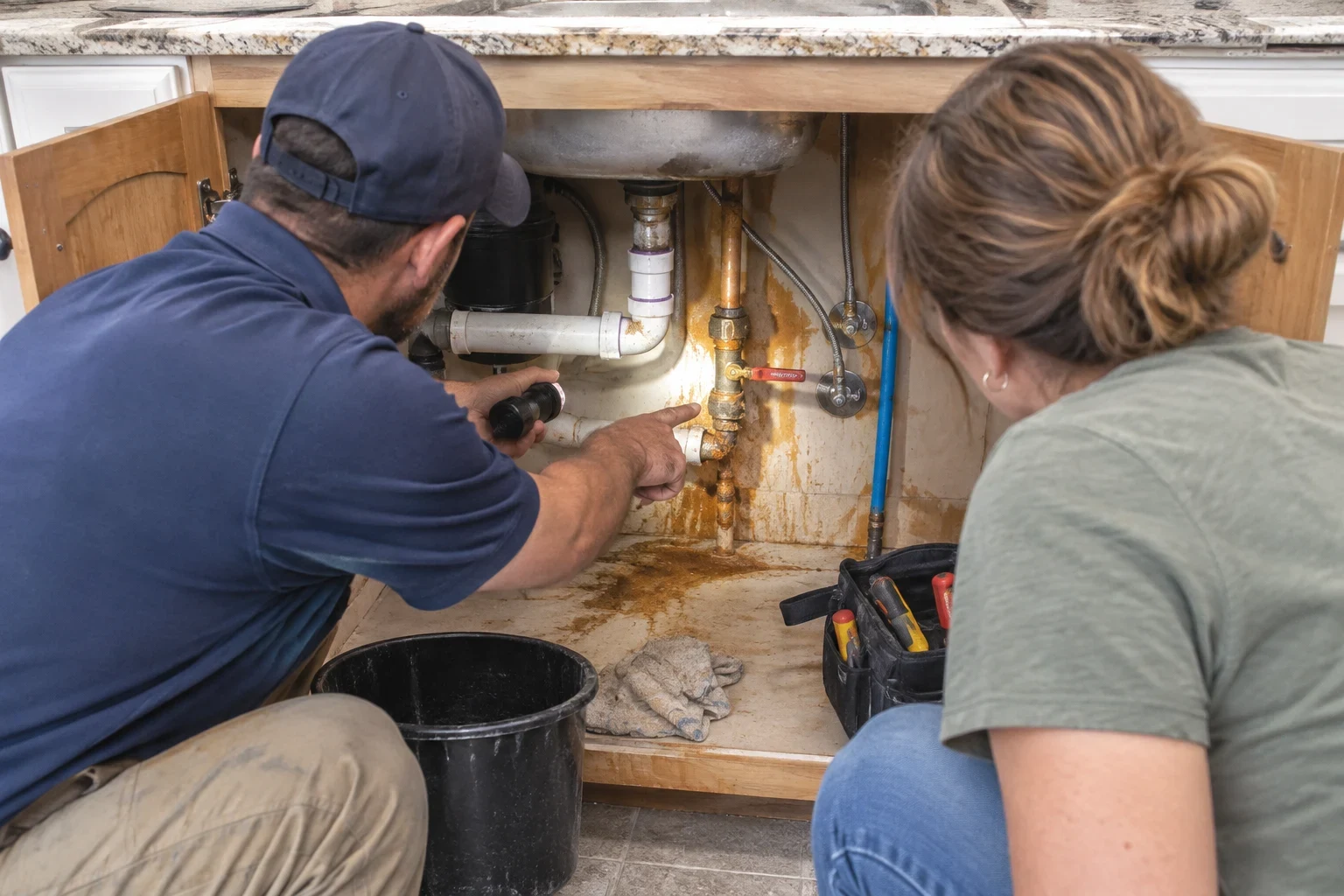
What our new construction work covers
- 01
Plan review and fixture layout
We read your drawings, confirm every fixture location and flag tight wet walls or long hot-water runs before framing starts.
- 02
Underground rough-in
We set drain, waste and vent lines below the slab or in the crawlspace, sloped correctly and bedded in clean fill so they stay put as the soil settles.
- 03
Supply lines and manifold
You can choose a home-run PEX manifold, which gives each fixture its own line and shutoff, or a trunk-and-branch layout that uses less pipe. We lay out both so you can compare.
- 04
Top-out and venting
Vents, stacks and stub-outs go in after framing, with nail plates where pipe passes close to the face of a stud.
- 05
Water heater and gas planning
If you want a tankless unit, we size the gas line and venting during rough-in rather than after. Our Tankless Water Heater Installation page covers those choices in more detail.
- 06
Trim and final fixtures
Once finishes are in, we set toilets, faucets, showers and appliances, then check every connection under pressure.
Questions about New Construction Plumbing?
Call(615) 395-6422When it is time to bring us into your build
Framing is on the calendar
Underground plumbing has to be in and inspected before the slab is poured, so we need to be scheduled ahead of the concrete crew.
Your fixture list is still open
If you have not picked tubs, showers or a kitchen sink yet, now is the time. Rough-in heights and valve types depend on those choices.
You are adding a bathroom or addition
Tying new drains and vents into an existing system takes careful planning so the older lines keep draining well.
You want filtration or tankless hot water
Both are simpler to plan for now. A Whole Home Water Filtration system needs space and a bypass near where the main line enters, which is easy to leave room for on paper.
How a new construction job runs
- 1
Estimate and options walkthrough
We review the plans with you, go over pipe and fixture options and give you a written estimate. The estimate is free.
- 2
Underground and inspection
We trench, set the below-floor drains and pressure or water test them. The work stays open until the inspector signs off.
- 3
Rough-in after framing
Supply lines, vents and stub-outs go in, followed by a pressure test and the rough-in inspection before insulation and drywall.
- 4
Trim, test and walkthrough
We install fixtures, run every tap and drain, haul away our offcuts and packaging, and show you where the main shutoff and manifold are.
What shapes the price of new construction plumbing
No two sets of drawings carry the same plumbing, so we look over your plans and fixture list before we put a number on paper. The count of fixtures and the materials you pick do most of the work in setting the price. Financing options are available, and we accept cash and all major credit cards.
- Number of fixtures
- Each sink, toilet, tub and hose bib adds pipe, fittings and labor. Stacking bathrooms one above the other keeps runs short.
- Pipe type
- PEX usually costs less to install than copper. A cast iron stack adds weight and labor but cuts drain noise.
- Foundation type
- Slab work means trenching and testing before the pour, while crawlspace work needs proper hangers and freeze protection.
- Fixture grade and water heater
- Thermostatic shower valves, wall-mount faucets and tankless heaters each change both the parts cost and the rough-in work.
New construction plumbing questions
Should I use PEX or copper in a new house?
For most new homes we recommend PEX for supply lines. It flexes, handles occasional hard freezes better than rigid pipe and needs fewer joints inside your walls. Copper still makes sense where pipe stays exposed or near high heat, and some owners prefer it. We will explain both against your plans.
Do you handle the permits and inspections?
Yes. We pull the plumbing permit and schedule the underground, rough-in and final inspections. We stay on the job until each one passes.
Can I supply my own fixtures?
You can. We just need the exact models before rough-in, because valve bodies and drain locations vary between brands. We will tell you if a fixture needs special backing or a different drain height.
Will you work directly with my builder?
We work with builders and with owners acting as their own general contractor. Either way, we coordinate our visits around the concrete, framing and drywall schedule.
Who do I phone if a problem shows up once the house is finished?
Phone us. Our line is answered day and night for urgent plumbing problems, so a burst fitting or a backed-up fixture is not left waiting until morning. Smaller issues we book for a time that works around your week.
Start your build with a clear plumbing plan
Give us a ring and we will set a time to go over your plans, the materials and the layout, then put a written estimate in your hands. The estimate costs nothing.